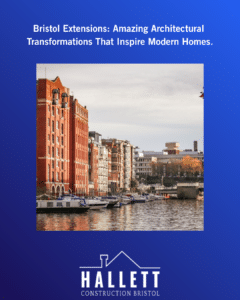
Bristol has always been a city that knows how to evolve.
From Victorian landmarks and historic railway stations to modern shopping districts and waterfront developments, the city’s architecture tells a story of adaptation. Buildings are extended, redesigned, repurposed and improved to meet the needs of changing generations.
The same principle applies to homes across Bristol.
A well-designed home extension can transform how a property looks, feels and functions, whether that means creating a larger kitchen, adding a home office, building an extra bedroom or making better use of unused space.
In this guide, we explore some of Bristol’s most impressive architectural transformations and how the same ideas behind these projects can inspire your own Bristol extension.
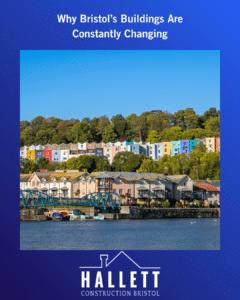
Bristol is a city built on change.
Its location, history and growing population have always created demand for better spaces. From transport infrastructure to commercial buildings and residential properties, expansion has been necessary to keep the city moving forward.
This is why Bristol is such an interesting place architecturally. Historic buildings sit alongside contemporary designs, and old spaces are regularly adapted for modern use.
The lesson for homeowners is simple:
You do not always need to move to create more space.
A carefully planned extension can help your existing home evolve with your lifestyle.
One of Bristol’s most recognisable modern developments is Cabot Circus.
The project transformed the Broadmead shopping area, creating a large retail and leisure destination designed around movement, accessibility and visitor experience.
One of its most distinctive features is the huge glass roof structure, which creates an indoor environment while allowing natural light into the space.
Although large commercial developments and residential extensions are very different projects, the design principles are surprisingly similar:
These are the same considerations homeowners face when planning a kitchen extension, open-plan living space or rear extension.
Bristol’s universities attract thousands of students every year, creating a constant need for accommodation.
St Lawrence House is a great example of how existing buildings can be adapted rather than demolished. Originally an office building, it was converted into 166 student studio apartments.
This approach is increasingly common in architecture: taking something that already exists and improving it for a new purpose.
The same thinking applies to residential extensions.
Many homeowners have unused areas that could become valuable living space, including:
A good extension does not simply add square footage. It improves the way your home works.
Bristol Temple Meads is one of the city’s most famous landmarks.
Opened in 1840, the station has undergone several changes throughout its history. Extensions were added during the Victorian period and again in the 20th century to accommodate increasing passenger numbers.
What makes Temple Meads interesting is that these changes were not about replacing the original building. They were about allowing it to continue serving a changing city.
This is an important principle in home extensions.
The best projects respect what already exists while making improvements for modern life.
A successful Bristol extension should consider:
Bristol is famous for its Byzantine-inspired architecture, particularly from the late 19th century.
Buildings such as the former Colston Hall (now Bristol Beacon), the Granary on Welsh Back and the Arnolfini demonstrate the city’s distinctive use of:
This style shows how design choices can create buildings with personality.
The same applies to residential extensions.
A poorly designed extension can look like an addition. A carefully designed extension can feel like it was always part of the house.
Features such as:
can make the difference between simply adding space and genuinely improving a home.
Few buildings represent Bristol’s history better than St Mary Redcliffe.
The church has stood for centuries and has experienced many changes, repairs and improvements over its lifetime.
Rather than remaining untouched, it has evolved to continue serving its community.
This idea is central to modern home improvement.
Older Bristol properties often have unique character, but they may not suit modern lifestyles. Extensions can provide the best of both worlds:
The goal is not to erase history. It is to help properties continue.
The Floating Harbour is one of Bristol’s biggest examples of regeneration.
Former industrial areas have been transformed with:
Old structures have been combined with new architecture, creating a distinctive mix of heritage and modern design.
This approach is increasingly popular in residential design too.
Homeowners are choosing extensions that blend:
The result is a home that feels modern without losing its identity.

Many homeowners hear the same advice:
“Just make it as big as possible.”
But bigger is not always better.
A successful extension is not measured only by size. It is measured by how well it improves your daily life.
Common mistakes include:
An extension should improve how rooms connect, not create awkward layouts.
Large spaces can still feel dark if windows, doors and orientation are not considered properly.
Poor-quality materials or rushed workmanship can create expensive problems later.
A good extension needs to meet the correct standards from the beginning.
Are you creating:
The purpose should guide the design.
Every home has opportunities and limitations.
Consider:
Think beyond the build itself.
Ask:
A quality extension depends on skilled construction, communication and attention to detail.
While we may not be building city landmarks like Temple Meads or transforming entire harboursides, we apply the same principles on a smaller scale.
At Hallett Construction, we create high-quality home extensions throughout Bristol, including:
Our focus is simple:
Create spaces that improve how people live in their homes.
Whether you want more room for your family, a modern kitchen area or a better-designed property layout, we can help bring your plans to life.
It depends on the size, location and design of the extension. Some projects may fall under permitted development, while others require planning approval.
Costs vary depending on size, materials, complexity and specification. A professional builder can provide a more accurate estimate after understanding your project.
Timescales depend on the type of extension and preparation required, including design, approvals and construction.
For many homeowners, extending can provide more value and functionality than moving, particularly where people already enjoy their location.
Yes. Many older properties can be successfully extended with careful design that respects the existing character.
Bristol has always evolved through thoughtful design.
From historic landmarks to modern developments, the city shows that buildings can change while still respecting what came before.
Your home can do the same.
A carefully planned extension can create more space, improve your lifestyle and add long-term value to your property.
If you are considering a Bristol extension, speak to Hallett Construction for advice and a free quotation.