Bristol is full of beautiful buildings with interesting histories. The city has a mixture of styles that come together to give it the unique feel it is known for. This blog will discuss three prominent styles in Bristol architecture: Byzantine, Victorian and Georgian.
Bristol Byzantine is an architectural style that is unique to the city. The term is said to be coined by the architectural historian Sir John Summerson. The period of time this style was developed was from the 1850s to the 1880s.
It is known as revival architecture, as it is rebirthing features from Byzantine and Moorish architecture, particularly in Venice and Istanbul. However, Bristol had its own take on these, applying them to industrial buildings such as factories and warehouses.
Many of these Bristol buildings have been destroyed, mostly due to the Second World War. However, some still remain. The following are some of the most noteworthy:
The Granary is the best-preserved building of Byzantine Bristol architecture. The coloured brickwork and arches are typical of the style. The building was first built as a granary and later used as a music venue.
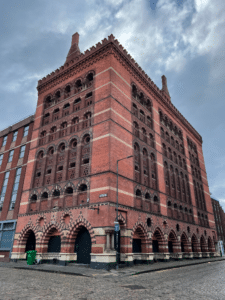
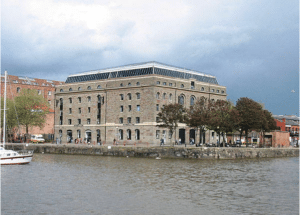
Many consider this to be the first example of Byzantine Bristol architecture. Today it is an art gallery; however, it was initially built as an iron foundry warehouse in 1831. Later it became a tea warehouse. Also known as Bush House, the building has the typical arched ground entrances and arched upper windows.
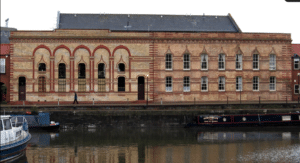
The construction of this warehouse was completed in 1875. It was originally used as an oilseed manufacturing tank. Today it is mostly used as offices. The building features beautiful arches with red and yellow bricks. The Venetian Gothic influences are clear and have been preserved well.
Victorian influence on Bristol architecture is everywhere. Many of the houses are Victorian, as well as some of the iconic landmarks. The Victorian era saw a great rise in the number of people living in England and Wales. As a result, the number of houses being built also rose, leaving Bristol with a large number of Victorian properties. The following are some of the defining features of a Victorian home:
Houses are not the only remaining examples of Victorian architecture. Here are some Bristol landmarks that were built during the Victorian era:
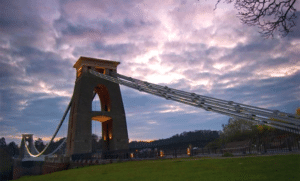
Brunel is a renowned engineer that built some of the most famous sites in Bristol today. One of which is Clifton suspension bridge. Brunel was only 24 years old when he started designing it, and the bridge took 33 years to complete.
This was also designed by Brunel, and the railway station truly is beautiful. It features a three-storey entrance in Bath stone and large decorative beams. It opened in 1840 and, over the years, had several extensions, making it the Temple Meads station it is today.
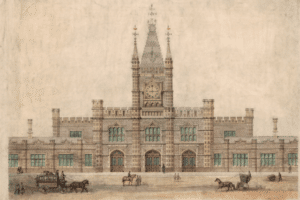
The Georgian era saw the rise of a fashionable new style of the house. The upper class of London, in particular, took a liking to it. In turn, Bristol started to build properties of this style. Today most of these houses can be found in Clifton. Although Park Street and Hotwells were also hotspots for these buildings. Here are the defining features of a Georgian home:
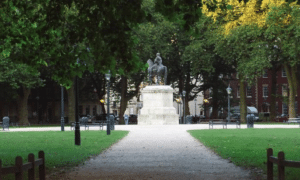
Apart from houses, the most notable example of Georgian Bristol architecture is Queen’s Square. It is a park in central Bristol surrounded by trees and cobbled streets. The patch of green is lined with a square of Georgian houses. Before the 17th century, it was used as a rubbish dump. However, it eventually got turned into this Georgian park and still remains there today.
Bristol has an ever-changing style, with new buildings and extensions being built often. At Hallett construction, we are familiar with all the different types of Bristol architecture and how that can affect any services you may want to be done.
To find out more get in touch with us today.