A home extension can completely change the way you use your property.
Whether you need a larger kitchen, an extra bedroom, a dedicated workspace or simply more room for family life, extending your home can be an excellent alternative to moving.
However, a successful extension is not created by adding bricks and space alone.
The projects that deliver the best results usually begin with careful planning, realistic budgeting and choosing the right construction partner.
For homeowners considering house extensions in Bristol, understanding the process before work begins can help prevent costly mistakes, unexpected delays and design compromises.
This ultimate checklist explains the key decisions to make before starting your extension, from understanding planning requirements through to selecting experienced home extension builders Bristol homeowners can trust.
Understand exactly why you want more space and how your family will use it.
Check whether your project needs planning permission and ensure it meets building regulations.
Consider construction costs, professional fees and unexpected expenses before starting.
Look beyond price and choose a contractor with experience, communication skills and proven results.
Think about layout, natural light, storage and how the extension will work long term.
Understand timelines, disruption and how the building process will affect your daily life.
Many homeowners begin thinking about an extension with a simple goal: “We need more space.”
While that is an important starting point, the best projects go further. A successful extension should solve a problem while improving how the entire home functions.
Poor planning can lead to:
An extension is a significant investment, so the decisions made before construction begins often have the biggest impact on the final result.
This is why knowing how to plan a house extension is just as important as the construction itself.
A common piece of advice is:
“Get three quotes and choose the cheapest builder.”
Comparing quotes is sensible, but price alone should not be the deciding factor.
A cheaper quote may exclude important elements such as:
The lowest initial price does not always represent the best overall value.
A successful extension depends on more than cost. Homeowners should consider experience, communication, work and whether the builder understands their goals.
Choosing the right construction partner early can reduce stress throughout the entire project.
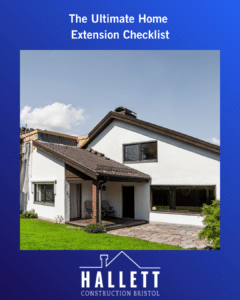
Before contacting builders, decide what you want the extension to accomplish.
Common reasons homeowners extend include:
A larger kitchen, dining area or open-plan living space can make a home more practical for everyday life.
A two-storey extension may provide additional accommodation without requiring a house move.
With more people working remotely, a dedicated workspace has become a priority for many homeowners.
A well-designed extension can improve a property’s appeal, although value depends on location, quality and market conditions.
The clearer your goals are, the easier it becomes to design a space that works.
Not every property suits the same extension design. The best option depends on your home, available space and budget.
A single-storey extension, which Bristol homeowners often choose, is popular for:
These extensions can transform how a ground floor feels without changing the entire structure of a property.
A two-storey extension Bristol project can provide significantly more space by adding rooms across multiple floors.
Benefits may include:
However, two-storey extensions usually involve greater complexity, planning considerations and investment.
Other popular options include:
A professional assessment can help determine which approach suits your property.

One of the most important steps in your home extension checklist is understanding the legal requirements.
Some extensions may fall under permitted development rights, while others require planning permission.
Planning considerations can include:
You can check official guidance through the UK Government’s planning information:
Planning permission guidance
Building regulations are separate from planning permission and cover areas such as:
The Planning Portal extension guidance provides further information on common extension requirements.
Understanding the UK house extension cost factors is essential before committing to a project.
Costs can vary depending on:
A larger extension with more structural changes will generally require more investment.
Kitchen fittings, flooring, windows and finishes can significantly affect the overall budget.
Consider costs for:
A sensible contingency budget helps manage surprises during construction.
A good builder should provide a clear quotation explaining what is included.

Choosing from the many available home extension builders Bristol residents can work with requires careful research.
Look for:
A builder who regularly completes extensions will understand the challenges involved.
Good communication helps prevent misunderstandings around design, costs and timelines.
Review examples of completed work to understand quality standards.
A detailed quotation should explain what is included and highlight potential variations.
Hallett Construction helps homeowners approach extension projects with clear planning, quality work and professional guidance.
A good extension should not simply create more space. It should improve how your home works.
Important design considerations include:
Windows, rooflights and glazed doors can dramatically affect how a new space feels.
Think about how people move between rooms and how the extension connects with the existing home.
Well-planned storage prevents a larger space from becoming cluttered.
Modern extensions should consider insulation, heating efficiency and long-term running costs.
Consider how your family may use the space in five or ten years.
Even a well-planned extension requires preparation.
Consider:
Ask your builder about expected stages, including:
Some homeowners remain in the property during construction, while others choose temporary arrangements.
Agree on how updates, decisions and changes will be managed.
Good organisation helps the project run smoothly.
A Bristol family had reached the point where their home no longer suited their lifestyle. The kitchen felt cramped, working from home was difficult and moving was becoming increasingly expensive.
Rather than immediately searching for another property, they explored whether an extension could solve their space problems.
By reviewing their priorities, budget and property layout first, they were able to create a realistic plan. The finished extension provided the additional living space they needed while allowing them to remain in a home they already loved.
The lesson is simple: successful extensions usually begin with understanding the problem before designing the solution.
The cheapest quote may not include everything needed for a successful project.
Changing decisions during construction can increase costs and delays.
Failing to understand requirements can create complications later.
A realistic budget should include additional expenses and contingency planning.
Good preparation reduces costly changes once work has started.
Extensions can be an excellent solution, but they are not suitable for every situation.
A smaller project or phased approach may be more realistic.
Some properties have restrictions that affect what can be built.
In some cases, renovation or moving may provide a better outcome.
A professional builder should help you understand all available options.
Understanding Bristol properties, planning considerations, and homeowner expectations helps create better outcomes.
A well-managed extension requires regular updates and straightforward conversations.
The quality of construction affects how your extension performs for years to come.
If you are considering an extension, Hallett Construction can help you explore your options and understand the next steps.
The cost depends on factors including size, design complexity, materials and specifications. A detailed quotation is needed for accurate pricing.
Not every extension requires planning permission, but requirements depend on factors such as size, location and design.
Timescales vary depending on the project, but planning, approvals and construction all need to be considered.
Look for experience, previous projects, clear communication, transparent pricing and quality work.
A well-designed extension can improve your home’s usability and potentially add value, but the decision depends on your property and personal goals.
The most successful home extensions are defined by the work completed before a single brick is laid.
By sticking to a structured checklist, gaining a clear understanding of your available options, and partnering with experienced professionals, you can design a new space that truly enhances your property and your daily life.
Whether you are in the early stages of dreaming about a larger kitchen, needing more bedroom space, or planning a significant home renovation, the success of your project rests on the quality of your preparation.
If you are ready to begin your journey, contact Hallett Construction today. We offer expert advice and professional support for homeowners throughout Bristol.
A successful extension is built long before construction begins.
By following a clear checklist, understanding your options and choosing the right professionals, you can create a space that improves your home and fits your lifestyle.
Whether you are exploring ideas for a kitchen extension, additional bedrooms or a complete home transformation, careful planning is the foundation of a successful project.
To discuss your plans and explore your options, contact Hallett Construction for expert guidance on your Bristol home extension.